Play is often framed as something children do after learning. A break from the real work.
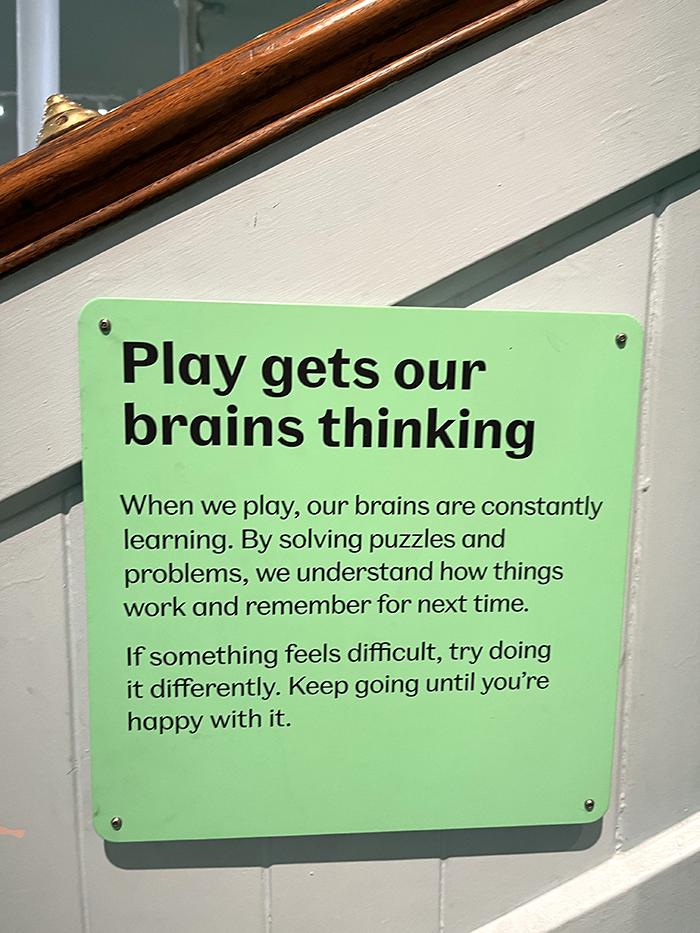
But research in developmental psychology and neuroscience has long shown that play is one of the ways children learn most effectively. Through play, children build attention, experiment with ideas, practise problem-solving, and make sense of the world in ways that are active rather than passive.
This isn’t limited to early childhood. Studies increasingly show that older children, too, benefit from playful and exploratory learning — particularly when it comes to motivation, creativity, and deeper understanding. Play slows learning down, but it often helps it go further.
Seeing it in practice
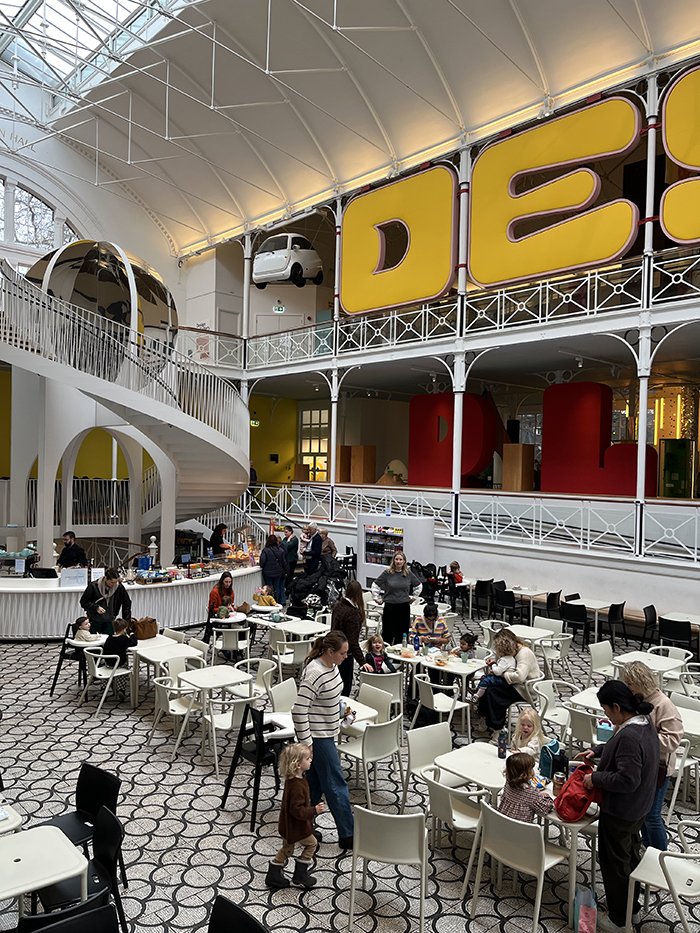
At the BETT Awards in January, it was striking how many education-focused companies were already centring play in their thinking. That stayed with me the following day, visiting the V&A Museum of Childhood in London.
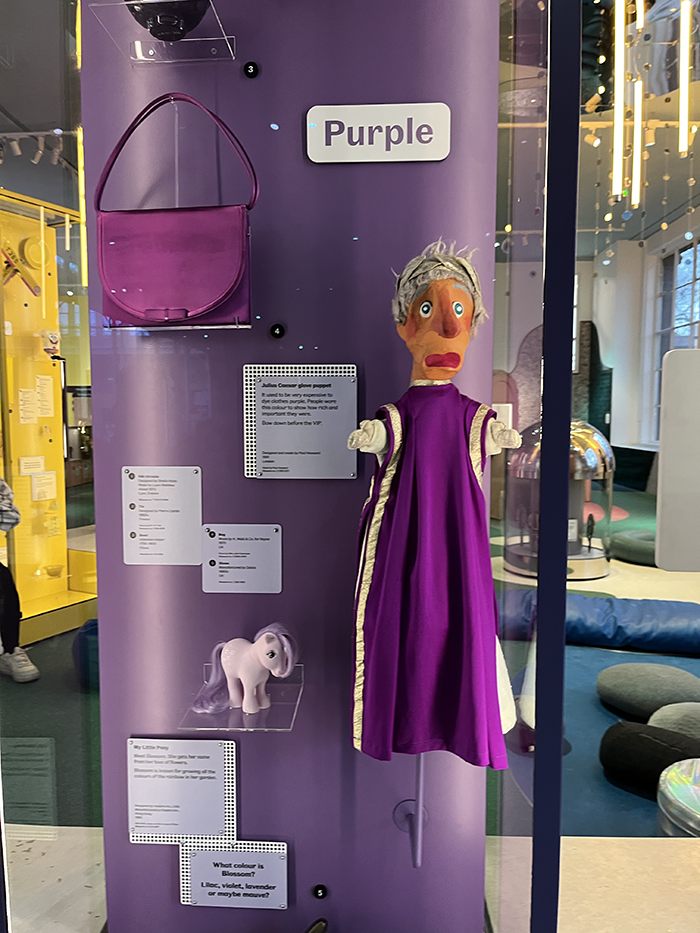
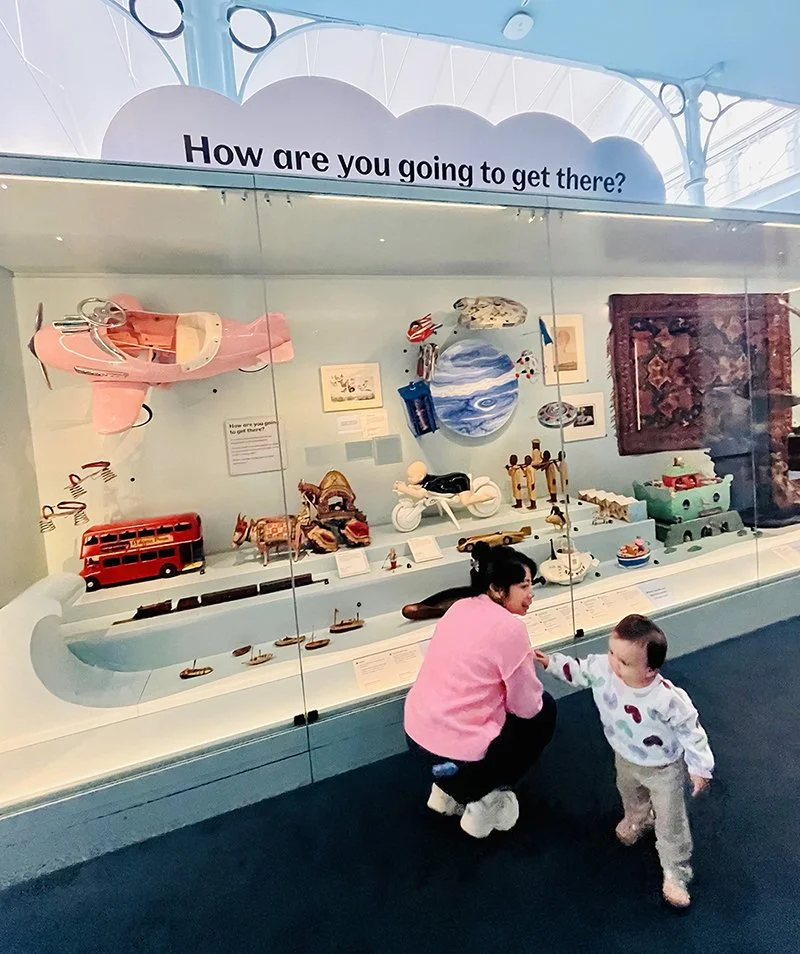
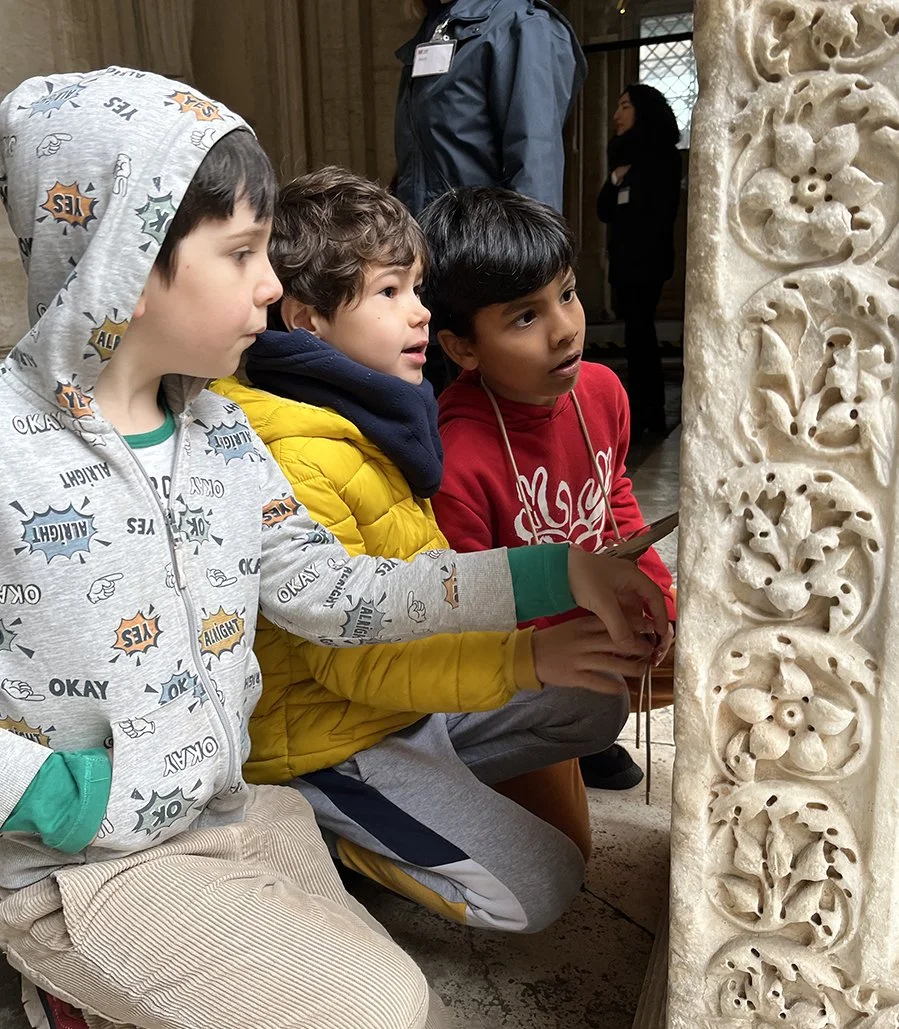
What stood out wasn’t a single exhibition, but the overall approach. Play wasn’t treated as a distraction from learning or something to be managed. It was treated as a legitimate way for children to engage with ideas, objects, and stories. Children were invited to touch, move, test, imagine — and learning followed naturally from that engagement.
More broadly, cities like London increasingly design cultural spaces with this in mind. There’s an understanding that children learn best when they’re active participants, not silent observers.
And Rome?
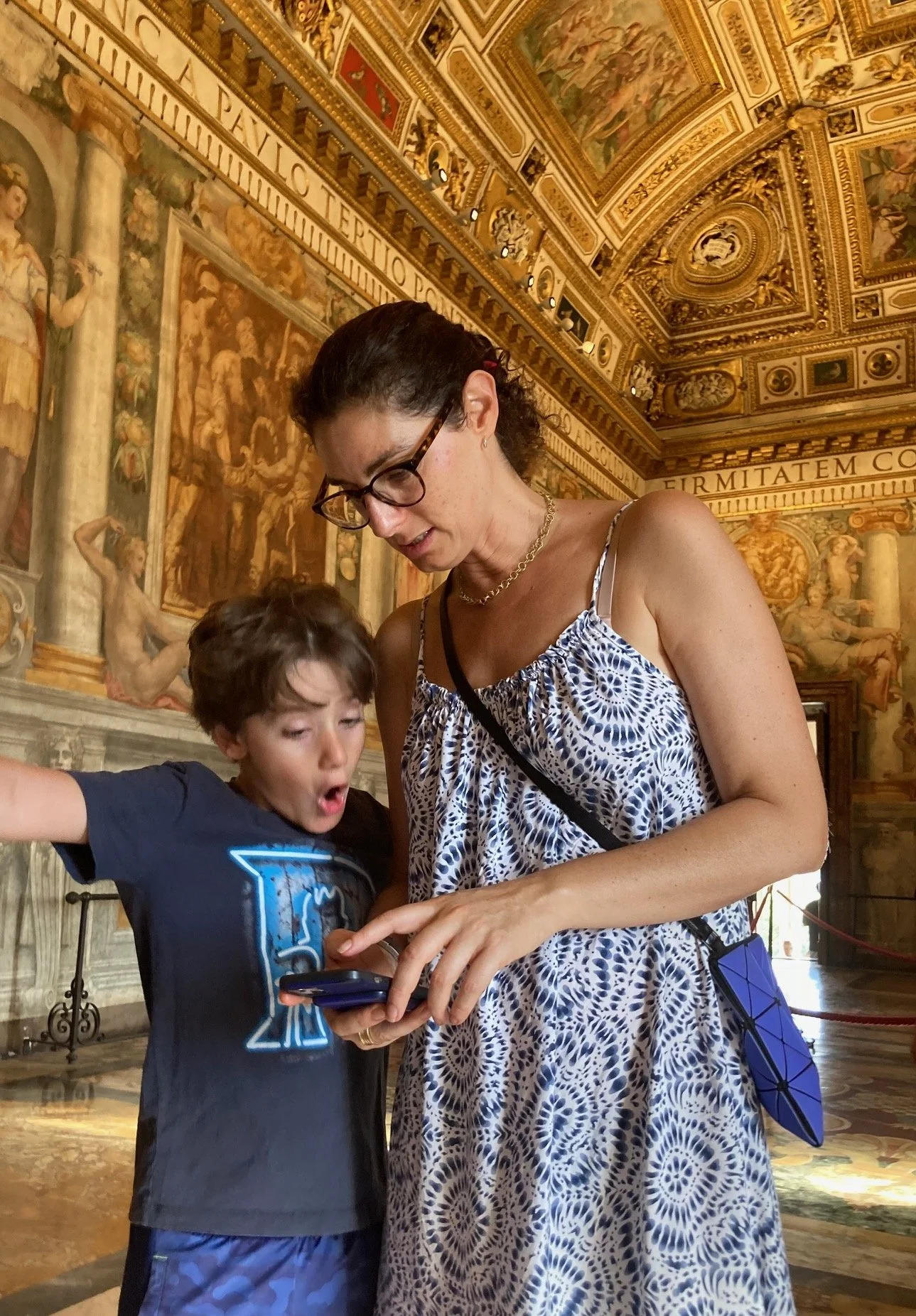
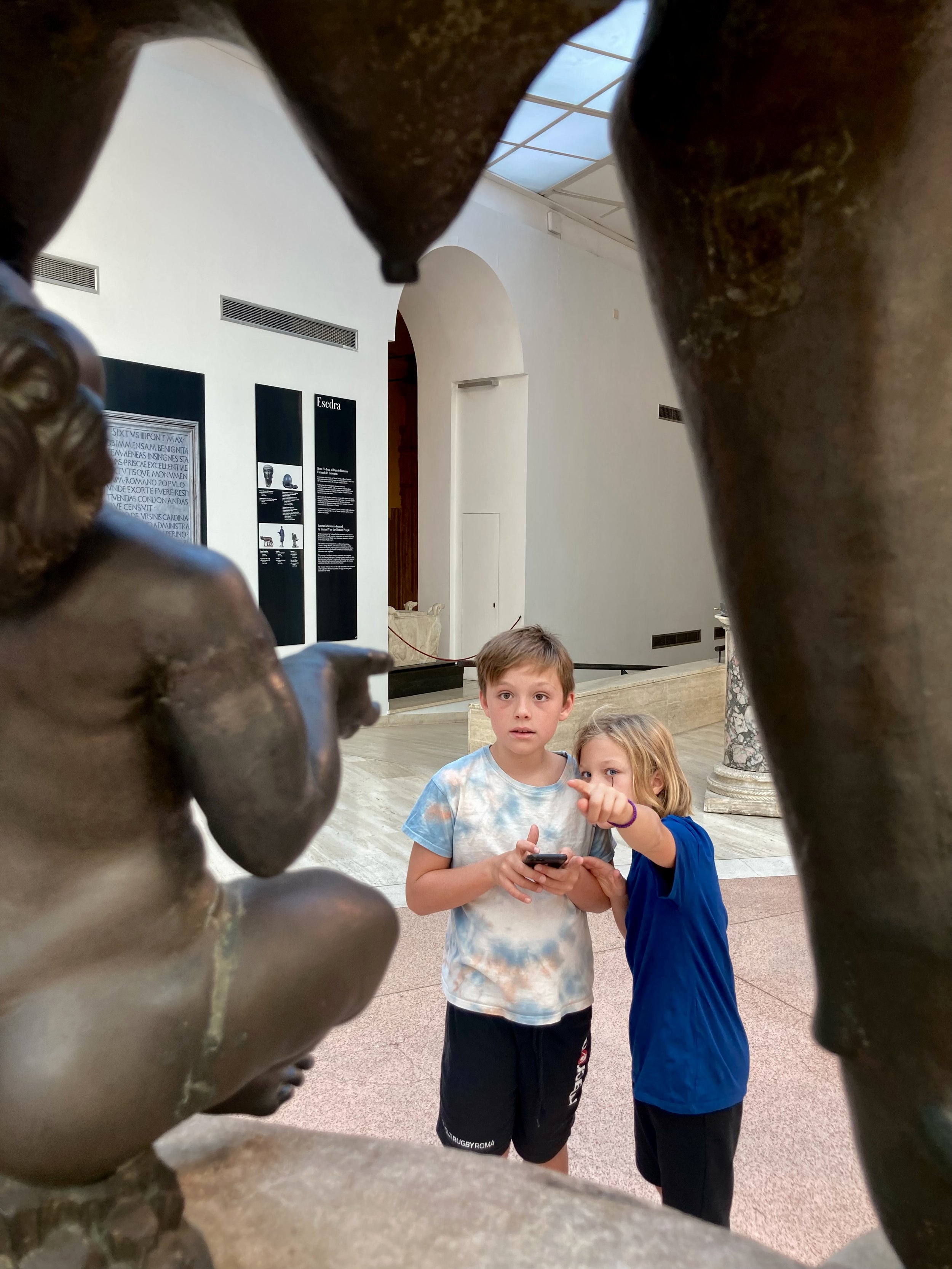
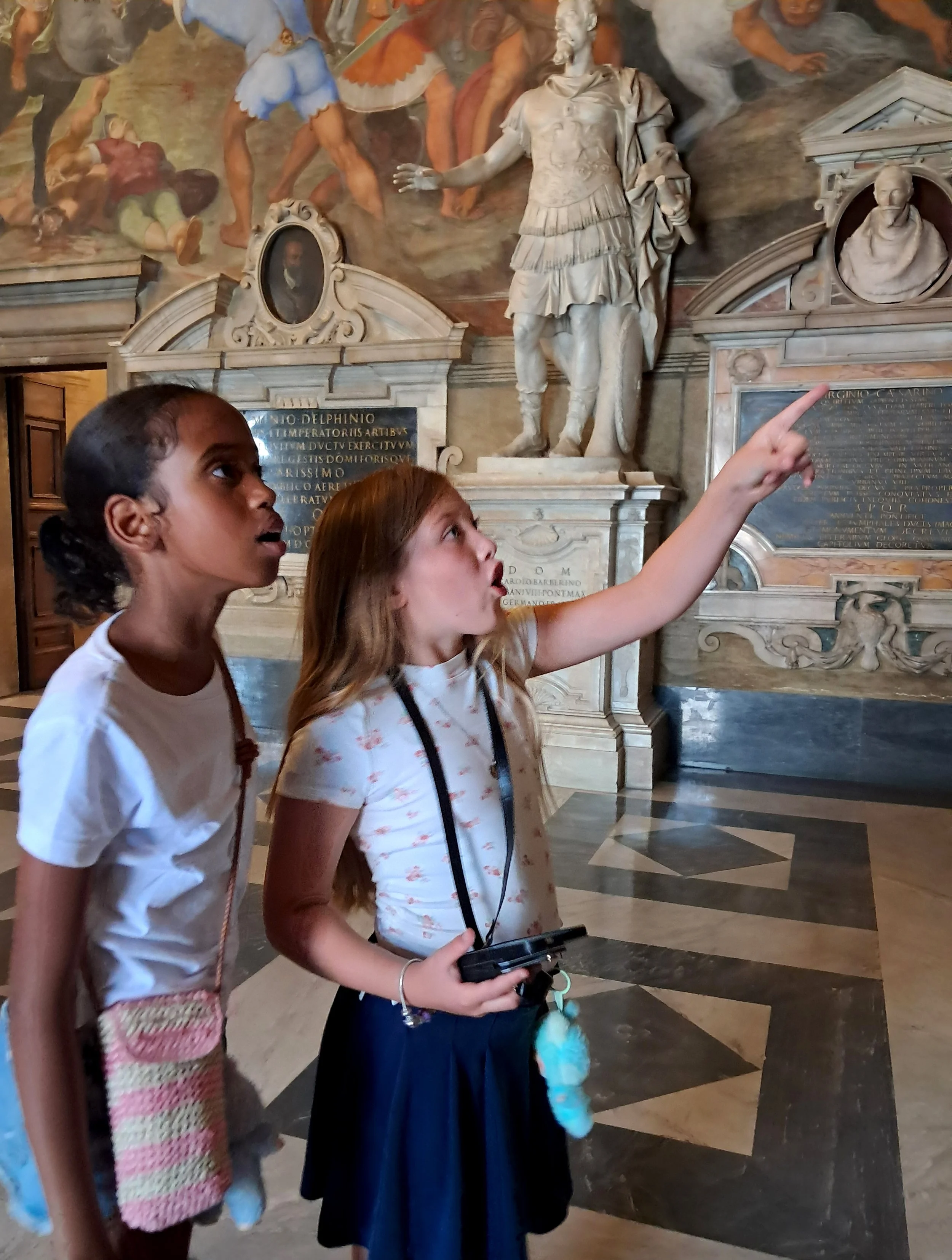
Rome should be one of the greatest learning environments in the world for children. It’s layered, physical, full of stories. And yet, too often, children experience it as something to be rushed through, hushed in, or consumed at adult pace.
The issue isn’t a lack of history. It’s a lack of child-centred ways into it.
Rome doesn’t need more facts for children. It needs more opportunities for curiosity, movement, story, and engagement — ways for children to interact with the city rather than simply look at it.
An encouraging signal
When TrovaTrivia was highly commended at the BETT Awards, it felt less like recognition of a product and more like recognition of an approach: that playful, story-led learning still has a place, even as education becomes faster and more digitised.
For a small startup, that mattered.
If we want children to connect meaningfully with learning — whether in classrooms, museums, or cities — we need to design experiences that allow time to notice, explore, and wonder.
I’d love to see a Roman history museum designed with children in mind — one that invites them to touch, move, imagine, and engage with the past as something alive rather than distant.
Because the learning that lasts is rarely the learning that’s rushed.
At the Young V&A in London, play is treated as a serious part of learning. In Rome, we’re exploring what that can look like beyond the museum walls.