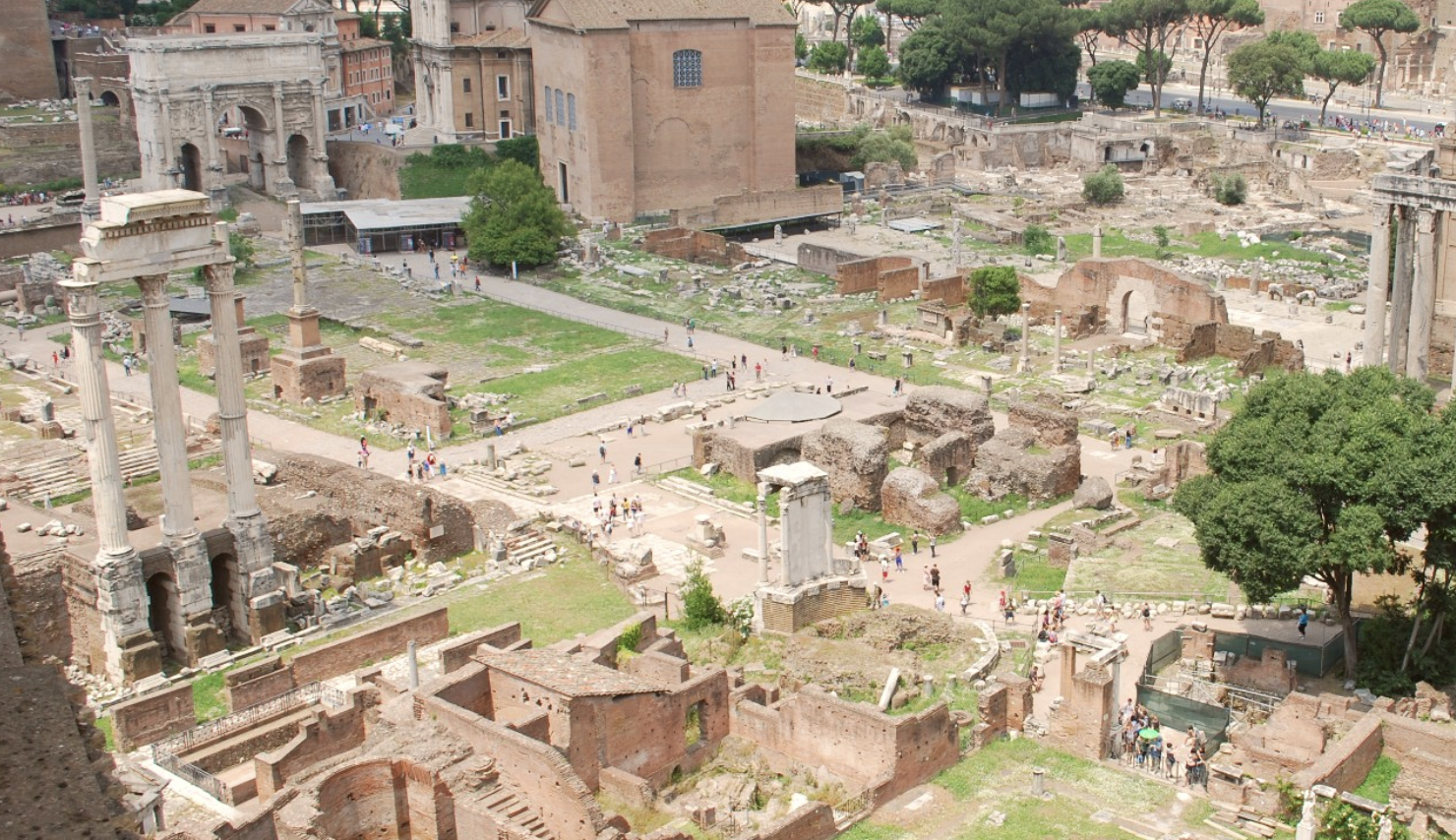
To a child, the Forum is just stones — until you bring Ancient Rome to life.
Here’s the problem many parents run into. To adults, the Roman Forum is breathtaking. To children, it can sometimes look like… a pile of stones.
The difference is imagination.
Before ruins make sense, kids need to picture the people who once lived there — the shopkeepers selling bread, the children running through the streets, the crowds gathering at the baths.
Once children start imagining real lives, everything changes.
A broken wall becomes someone’s home. A bath complex becomes a busy social hub. A stretch of stone road becomes a noisy street.
The good news? You don’t need long history lessons or hours of preparation.
Here are three simple ways to help kids understand Ancient Rome before you arrive.
1. Read a Story That Brings Rome to Life
Skip the heavy history books. Stories help kids imagine the city as a living place. Great options include:
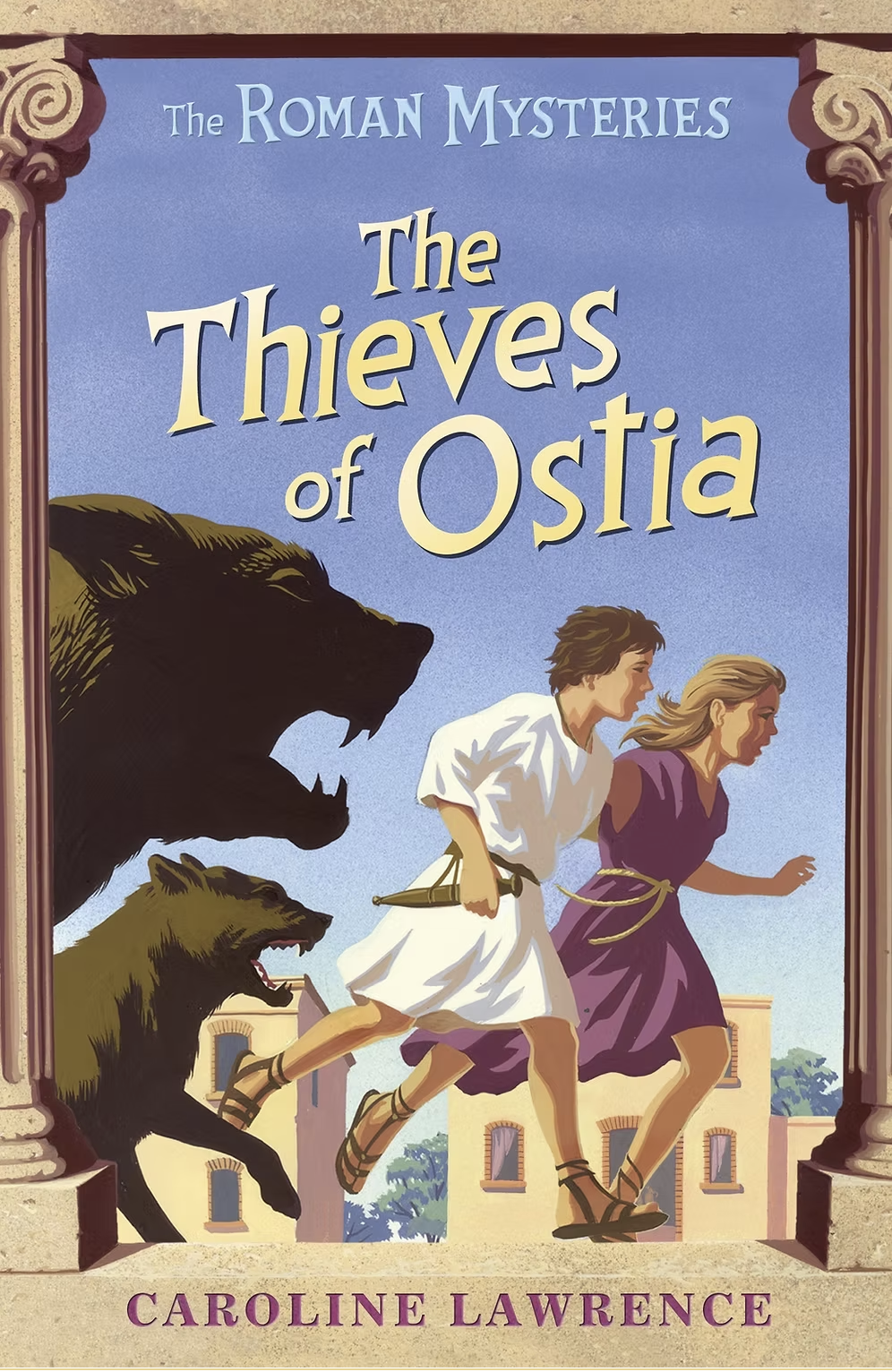
The Thieves of Ostia — Caroline Lawrence
A brilliant mystery story set in the Roman port of Ostia. Kids follow four friends solving crimes while discovering daily life in the Roman world.
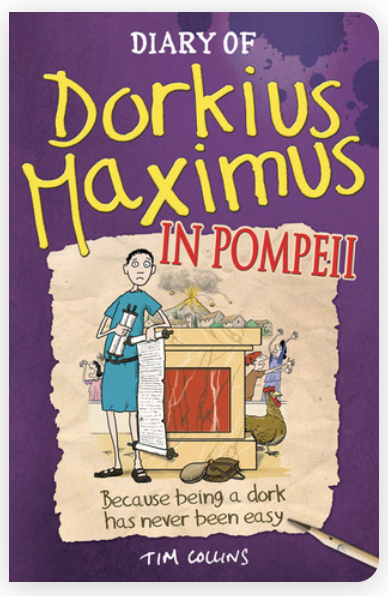
Diary of Dorkius Maximus — Tim Collins
A funny diary of a Roman boy who dreams of becoming a gladiator (despite not being very brave).
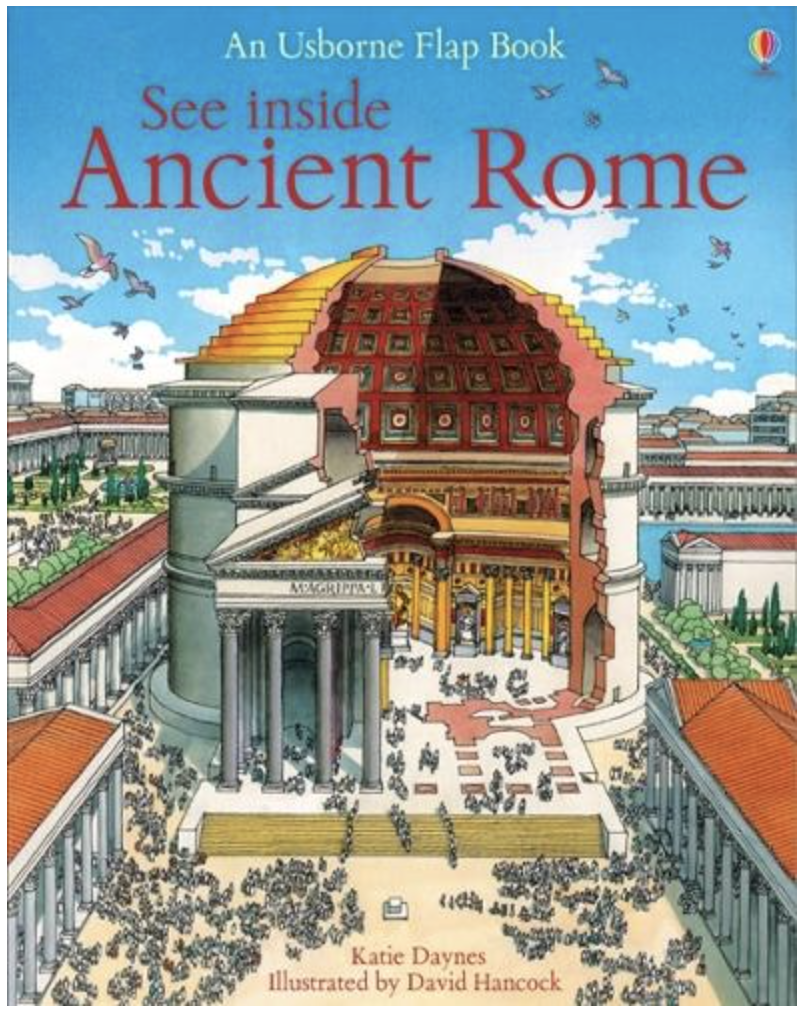
See Inside Ancient Rome — Katie Daynes
Lift-the-flap illustrations that show Roman houses, baths, and streets, helping kids picture the city behind the ruins.
Even reading a chapter or two before your trip can make the sites feel far more real.
2. Try a 10-Minute Roman Challenge
Another easy way to spark curiosity is through a short interactive story.
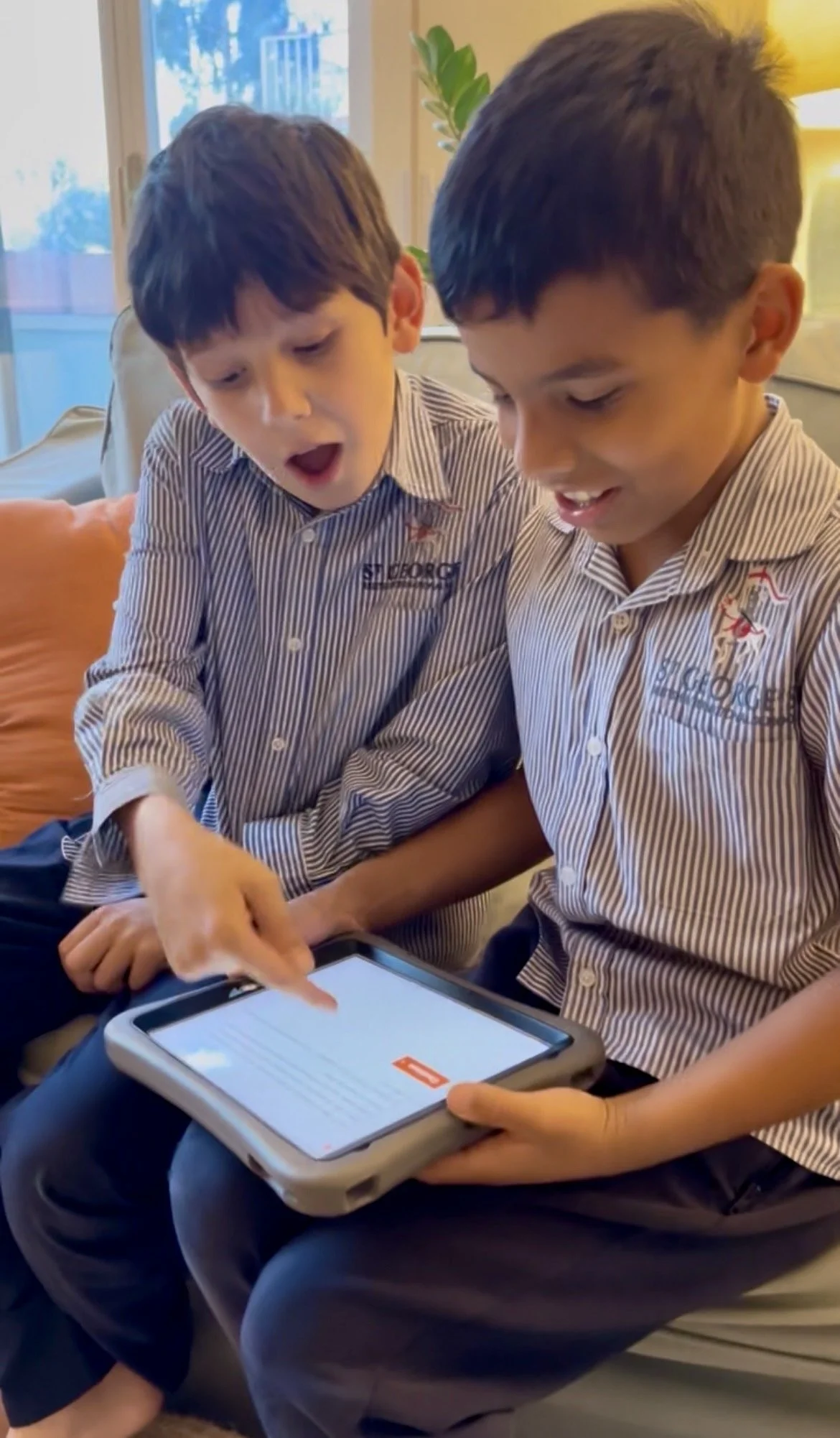
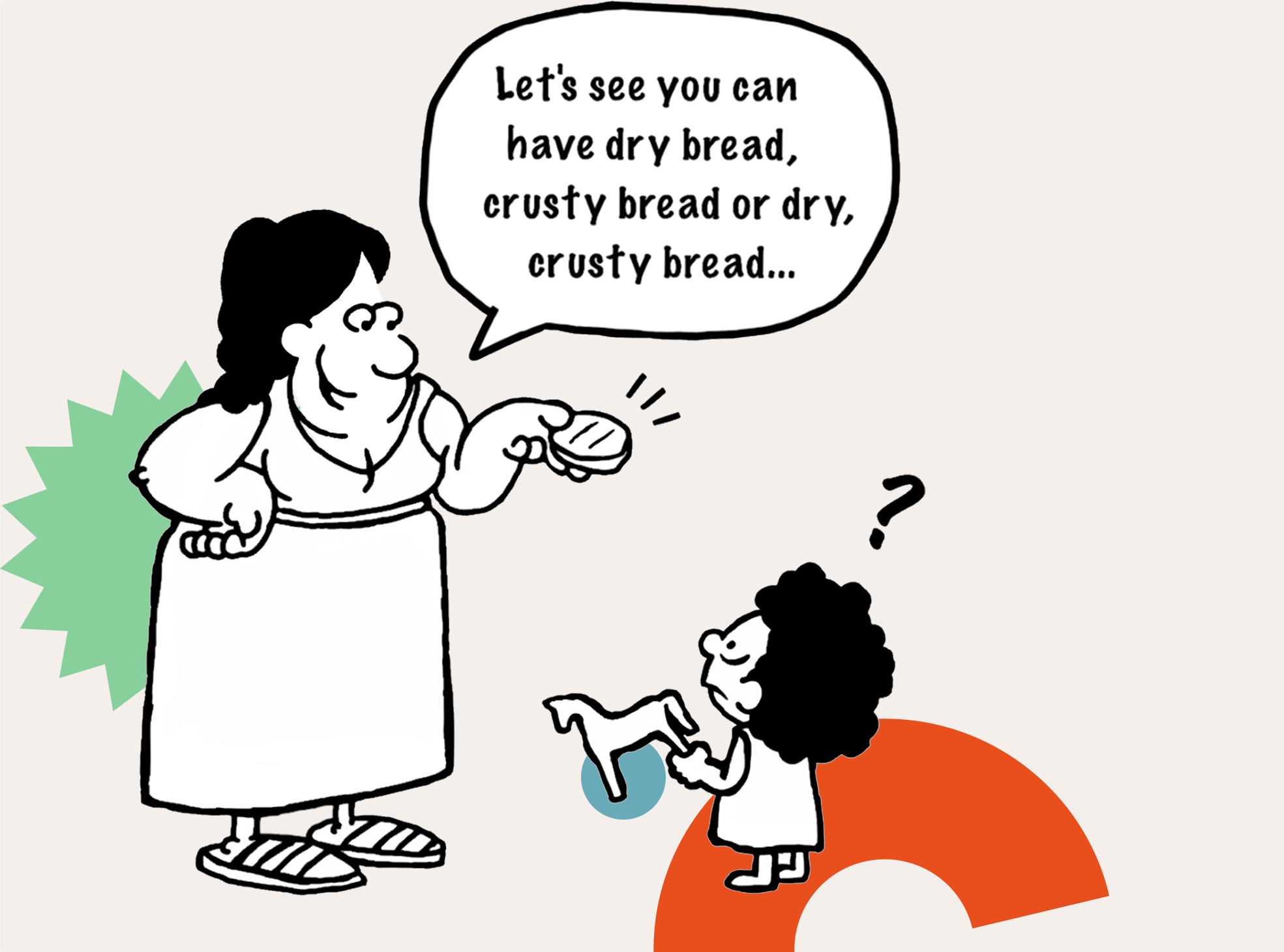
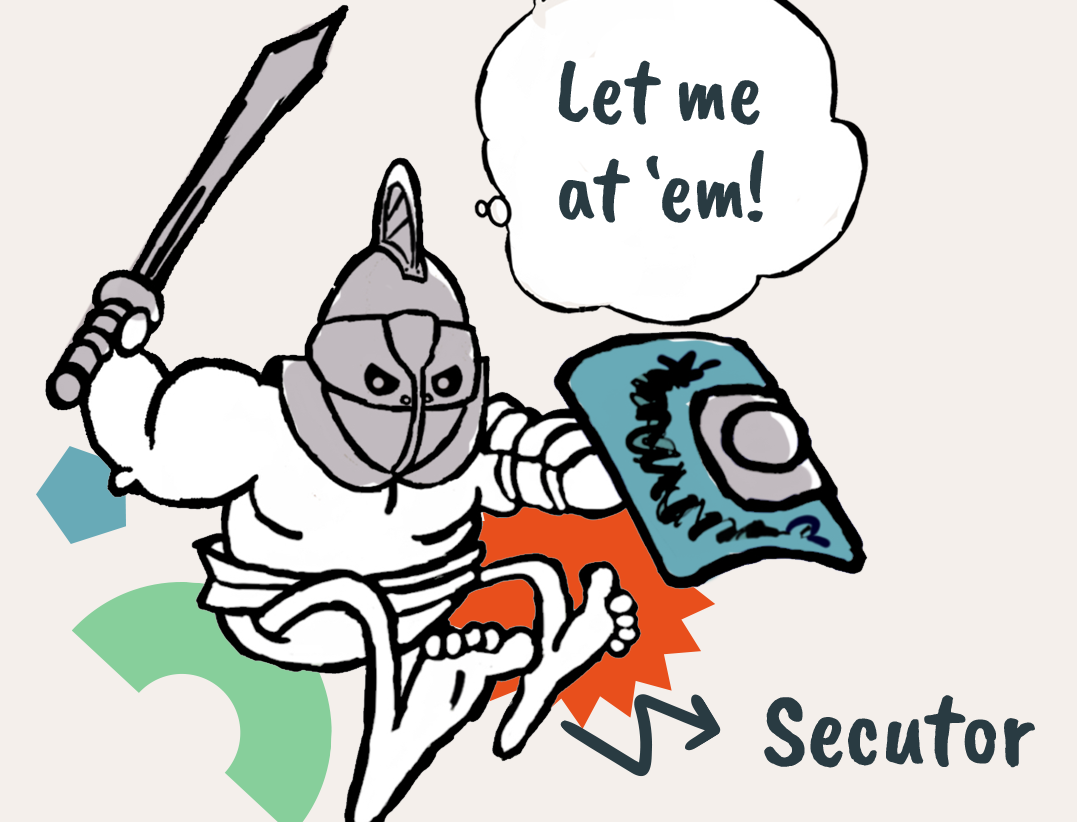
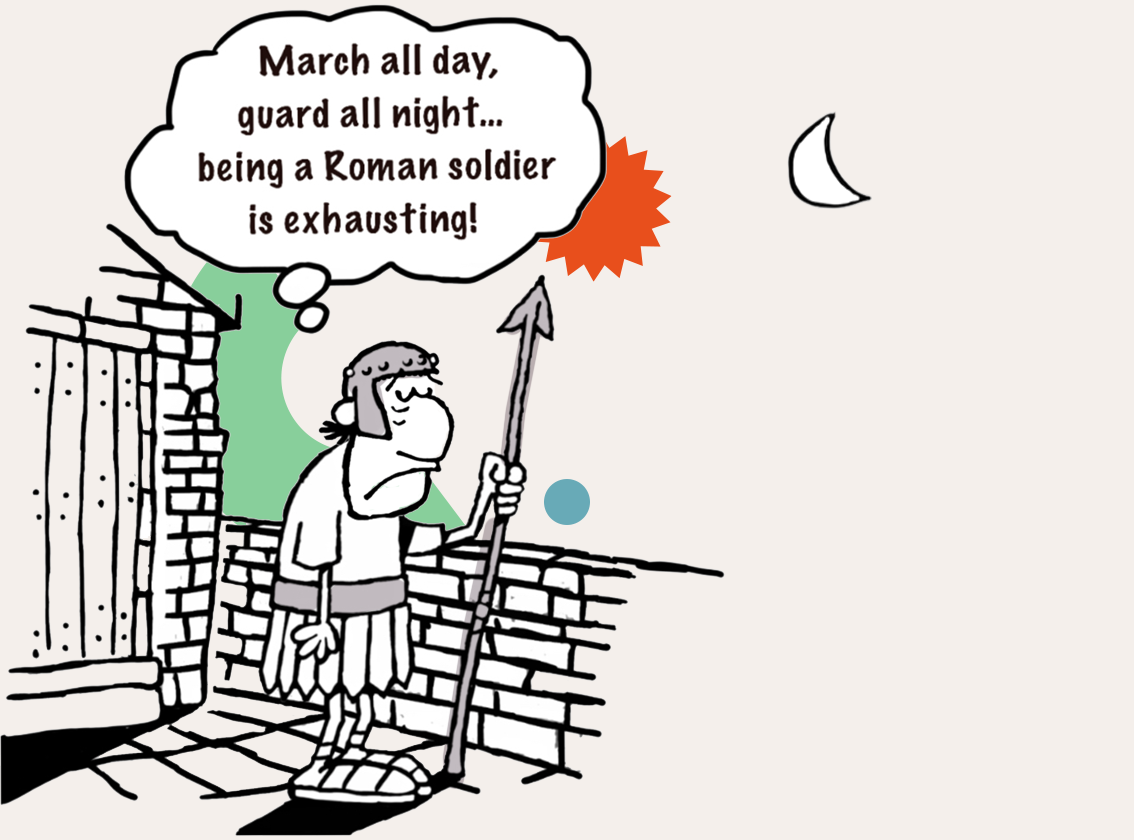
In the TrovaTrails quizzes, kids discover Ancient Rome by stepping into the lives of ordinary Romans — a gladiator entering the arena, a street seller trying to earn coins, or a Roman girl navigating the limits placed on women.
Along the way they discover simple details of daily life: what people ate, how they lived, where crowds gathered, and how children helped their families.
It only takes about ten minutes, but it helps children start imagining the real people behind the ruins.
There’s a reason this works. Research shows that when information is presented as a story, and children actively make choices along the way, they are far more likely to stay engaged and remember what they learn.
3. Watch a short video together
A quick film can help kids picture the scale, crowds, and excitement of the ancient city.
You could suggest things like:
the chariot race from Ben-Hur
funny historical clips from Horrible Histories
The Next Step: Exploring the City
Once kids begin imagining the people who lived in Ancient Rome, the ruins start to feel very different.
The next step is helping them explore the real city with curiosity and agency.
In our next guide, we share some of the best ways to explore Ancient Rome with kids — from bike rides under the aqueducts to playful missions around the city.